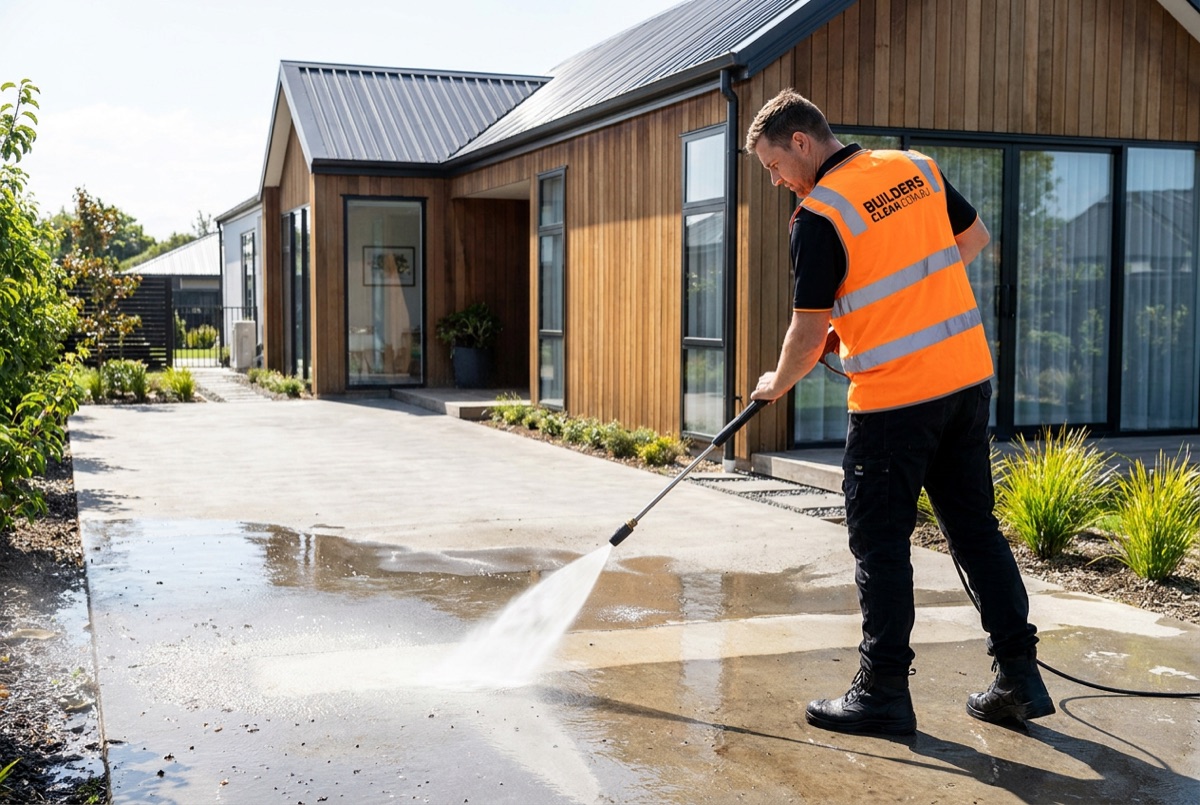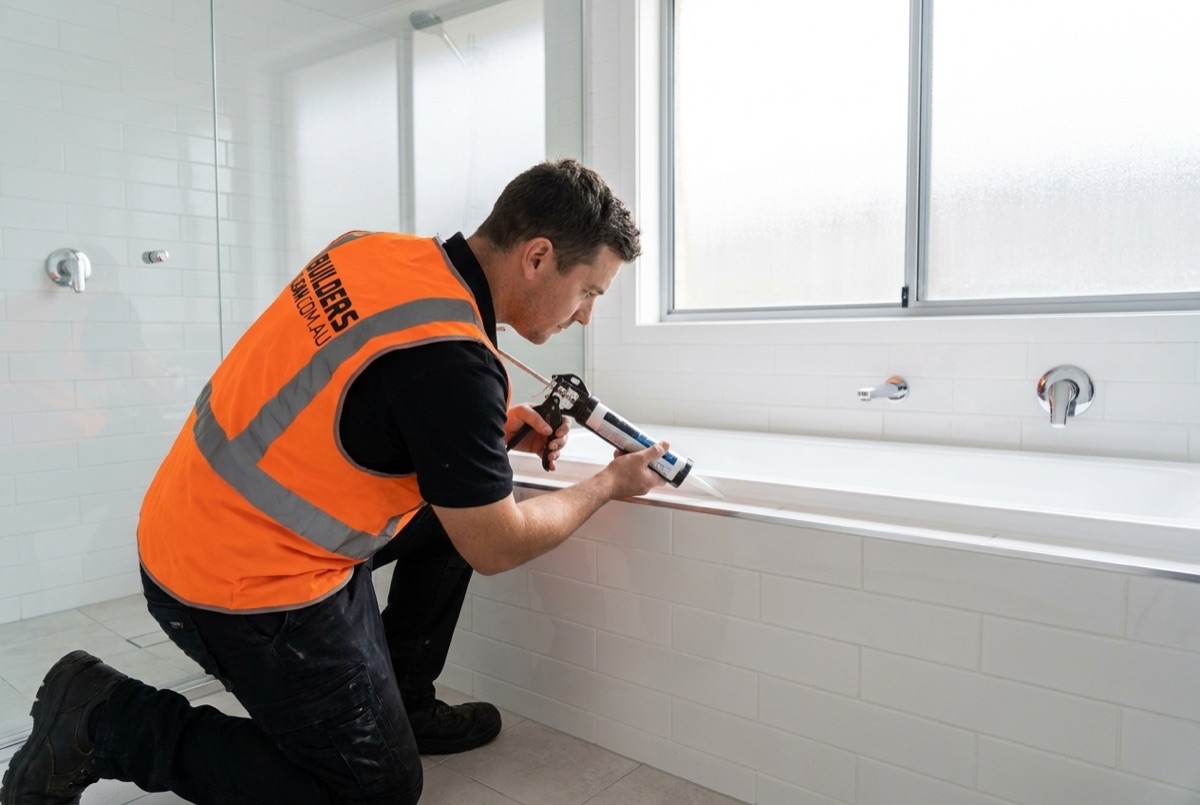
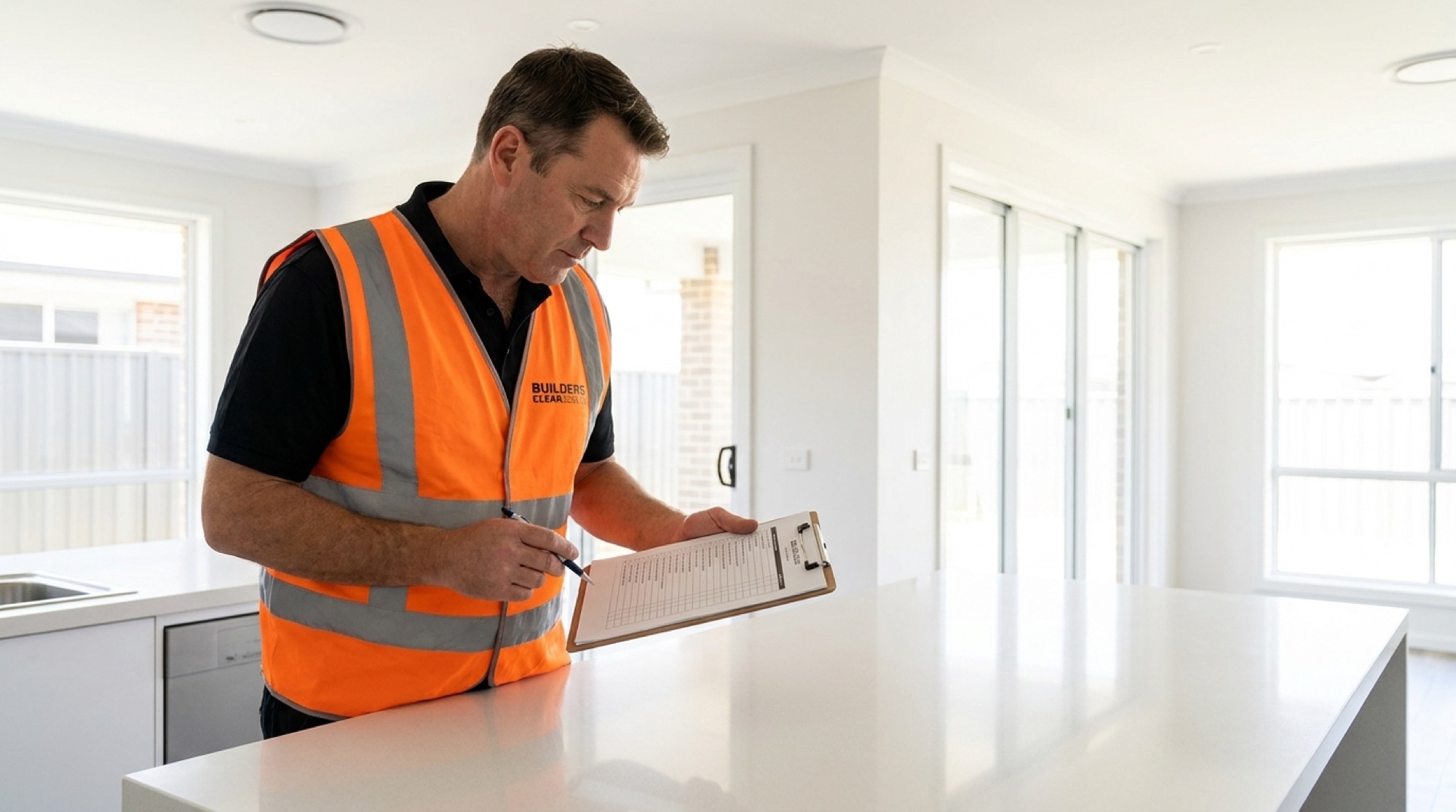
The short answer: practical completion means the works are complete apart from minor omissions and defects, and the walk that signs it off is, in practice, mostly a cleanliness inspection. The practical completion clean is the full final clean, landed two or three days before the walk, after the caulking has cured, with a short sparkle pass the day before if the date slips or trades return. Builders Clean runs this sequence for builders and project managers in Sydney, Melbourne, Brisbane, Adelaide and Perth.
Practical completion is the date everything hangs on. The final payment claim, the occupancy certificate, the settlement notices, the keys. It is a contract milestone, so most of what is written about it is written by lawyers and certifiers. Very little of it mentions the clean, and yet the clean is what the client sees first when they walk in. This is PC from the cleaner's side of the door.
What does practical completion mean?
Under most standard residential contracts, practical completion is reached when the building works have been completed in accordance with the contract, except for minor omissions and defects, and the builder has done what is needed to obtain the occupancy certificate where one applies. The builder notifies the owner, the owner inspects, and either signs or lists what is outstanding. Queensland's regulator, the QBCC, describes handover as the point the home is suitable for occupation, with minor defects listed and a plan to fix them, and no major defects left.
"Minor omissions and defects" is the phrase that matters. A missing door stop is minor. A kitchen with paint on the splashback, grout haze on the tiles and sawdust in the drawers is not a minor defect to the person moving in, and the walk will say so.
Does practical completion include a clean?
Yes, by two routes. The contract requires the builder to remove equipment and debris and leave the site clean and tidy at completion, so a dirty site can be a breach of the contract before it is anything else. And the most detailed published cleanliness standard we know of, Victoria's Guide to Standards and Tolerances, treats cleaning as a defect category: the works are defective where windows are not clean, floors are not swept, mopped or vacuumed, tiles, sinks, basins and baths are not cleaned, and shelving, drawers and cupboards are not ready for use. In New South Wales there is no equivalent published standard that we know of, but in our experience owners, certifiers and settlement agents apply the same test.
So the PC clean is not an extra. It is how the builder meets the clause and passes the walk. Who pays for it is a separate post; the answer is the builder, inside the contract sum.
What does the PC walk check first?
Clients and their inspectors are not systematic. They look where their eyes land, and after more than 800 handovers we know where that is. Our supervisors walk the same spots before we call a site done, and the defect walk post has the full list. The first five:
- Glass, with the sun across it. Paint flecks, silicone smears and render splash show in raking light that a cloudy morning hides. We check every pane the way the client will see it.
- Wet areas at touch height. Tapware, shower screens, grout lines and the back of the toilet. Fingers go there before eyes do.
- Inside the joinery. Every drawer and cupboard gets opened. Sawdust in a drawer undoes a spotless benchtop.
- Floor edges and corners. The middle of a floor is always clean. The skirting line and the corner behind the door are where dust collects and where inspectors crouch.
- Switches, frames and the touch points. Light switches, door handles, window frames and tracks. Overspray on a switch plate reads as careless to someone paying for a new home.
How many days before PC should the final clean land?
Two or three days before the walk, and no earlier than the caulker finishing plus cure time. The sequence that works, counted back from the PC date:
| Days before PC | What happens |
|---|---|
| 21 | Cleaner locked in, site walked, scope and dates in writing |
| 7 to 5 | Detail clean behind the last of the finishing trades |
| 5 to 4 | Pre silicone clean, then the caulker, same day where possible |
| 4 to 3 | Silicone cures, often 24 to 48 hours, check the product data sheet, nothing touches the joints |
| 3 to 2 | Final clean, the practical completion clean, walked by the supervisor with the site manager |
| 1 | Sparkle pass if any trade has been back, site sealed |
| 0 | PC walk |
The two mistakes that break it are booking the caulker after the final clean, and letting a trade back on site after it. Both are covered in 5 things builders get wrong on final clean day. The pre silicone and final clean post explains why the caulker sits in the middle.
What happens when PC slips?
Dates move. A certifier is late, a glazier is short a panel, the client is overseas. When the walk moves out by more than a few days after the final clean, three things happen to a finished site: dust resettles from the air and from any open door, trades come back for the last defects and leave footprints and smears, and the glass that was perfect in raking light picks up a film.
The answer is not a second final clean. It is a sealed site and a sparkle pass the day before the new date: a presentation clean of glass, benches, floors and touch points, usually a few hours with a small crew. Where another trade caused the mess, that pass is a variation to the cleaning scope, and a good contractor will tell you that up front rather than absorb it and cut corners. If the site cannot be sealed, say so when you rebook, because the pass gets scoped differently.
The PC clean checklist for the project manager
- The clean is a line in the program with dates, not a note that says "clean before handover".
- The cleaner has walked the site three weeks out and confirmed the days they need.
- The caulker is booked between the detail clean and the final clean, with cure time after.
- The final clean is two or three days before the walk, and no trade is booked after it.
- A sparkle pass is pencilled for the day before PC, used only if needed.
- The site is locked between the final clean and the walk, with the keys with one person.
- The supervisor's sign off, the room by room checklist and the before and after photos are in the handover pack.
If practical completion is inside the next quarter and the clean is not yet on the program, send us the dates. You get an itemised scope inside 24 hours and the sequence above written into your program.
Related services: Construction cleaning · Builders cleans · Caulking.
The Builders Clean team